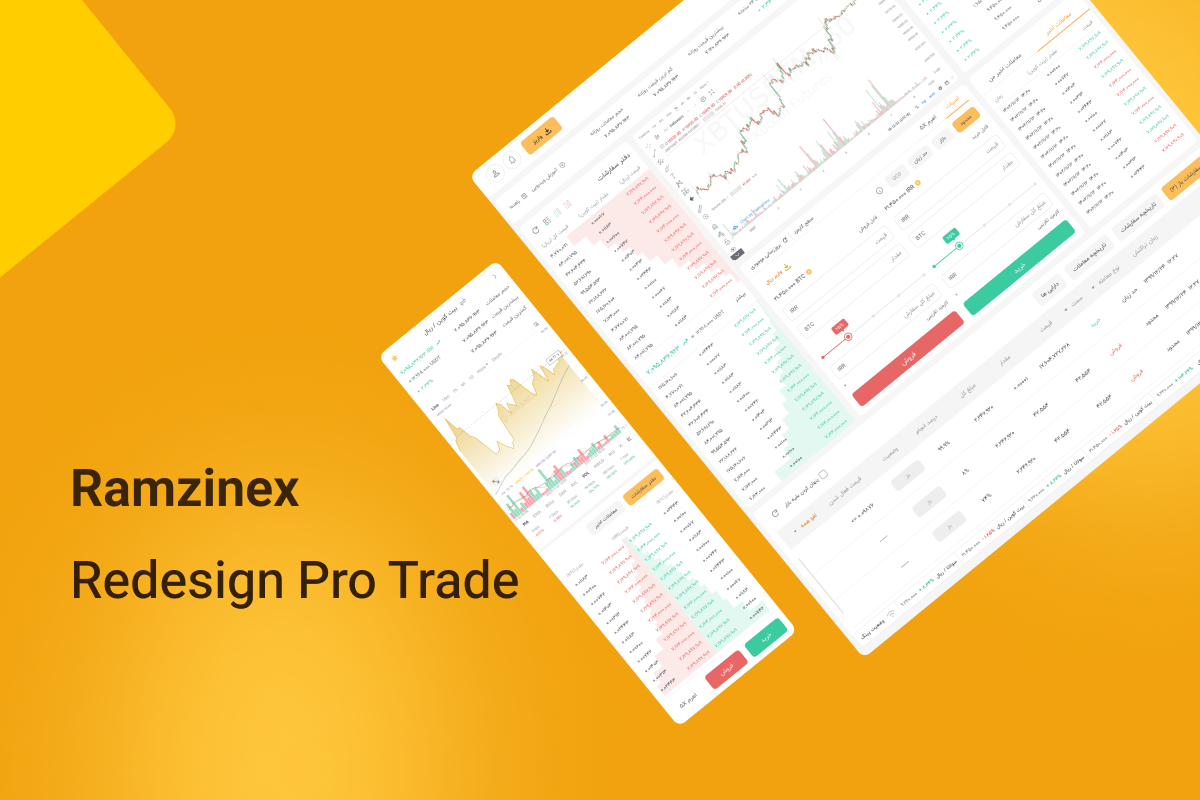
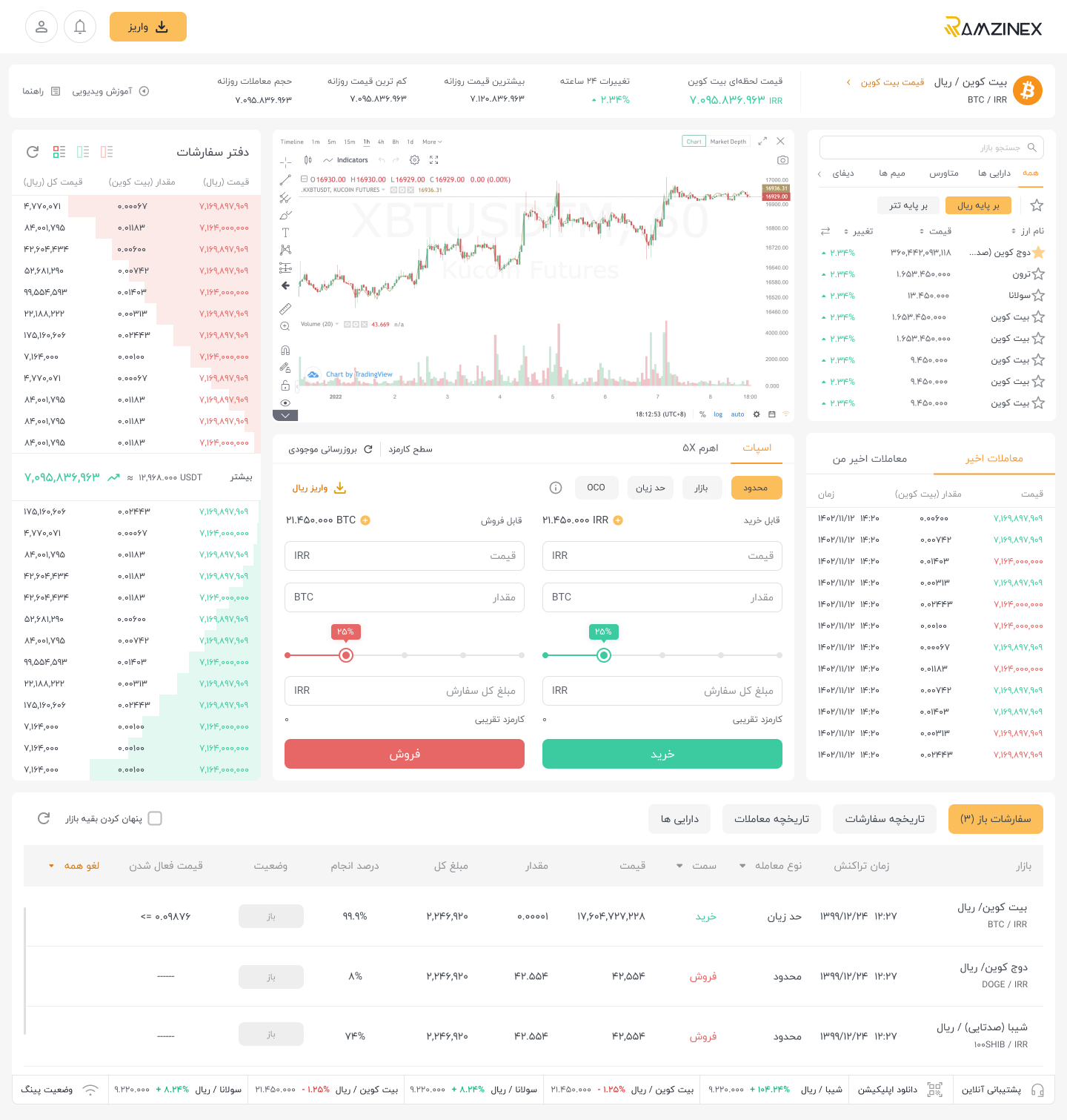
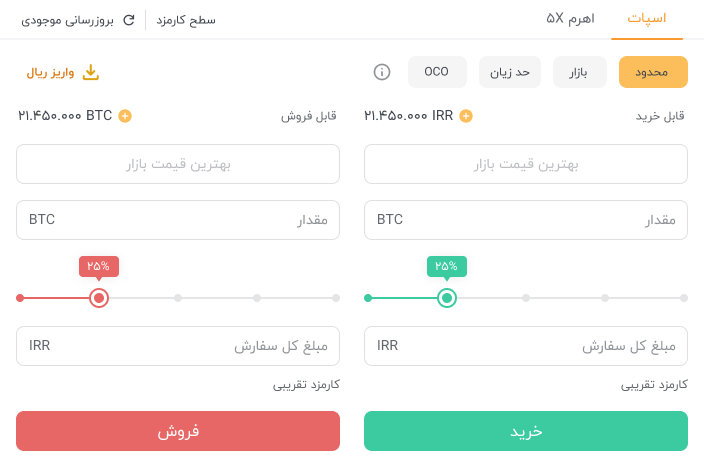
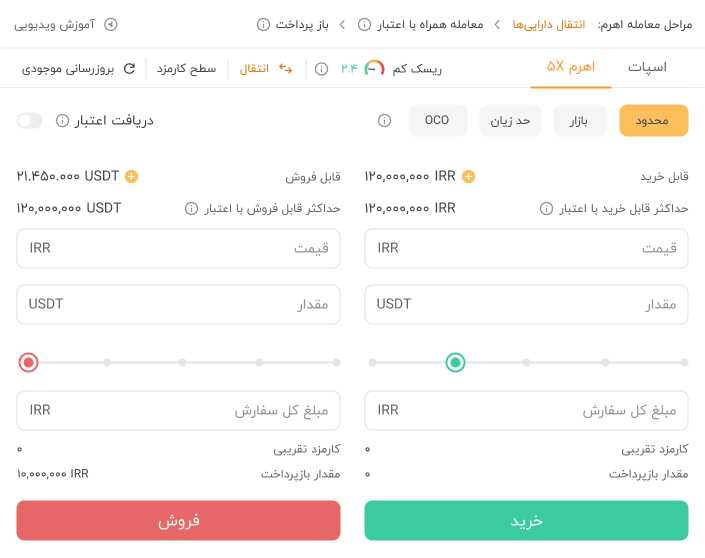
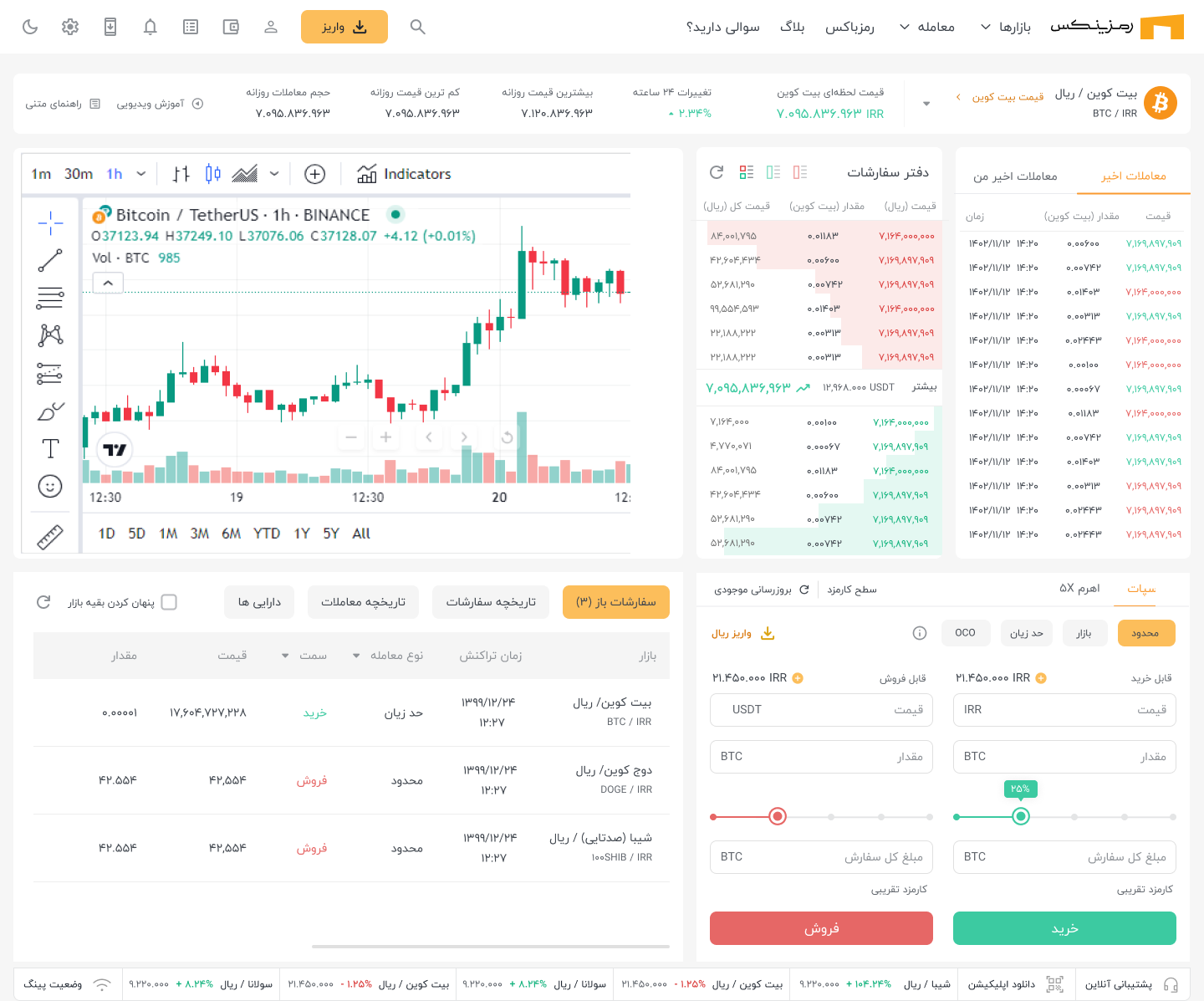
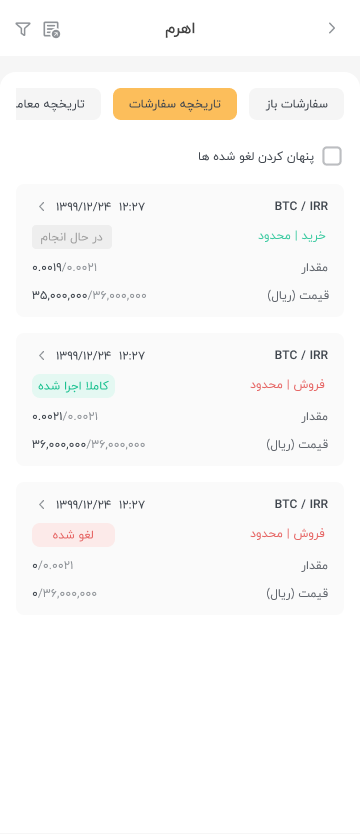
Redesigning the professional trading section of the Ramzinex platform with the aim of improving the user experience and system efficiency for professional users.
Goals
The main goal of this project was to optimize the professional trading section for users who needed more sophisticated tools and more possibilities to analyze and perform transactions in the digital currency market. Due to the rapid growth of the market and the demand of professional users, the need to improve this sector was felt more than before.
Reasons for the need to redesign
Market growth and increase of professional users The cryptocurrency market was growing rapidly, and a large portion of the platform’s users were professional traders with more sophisticated needs.
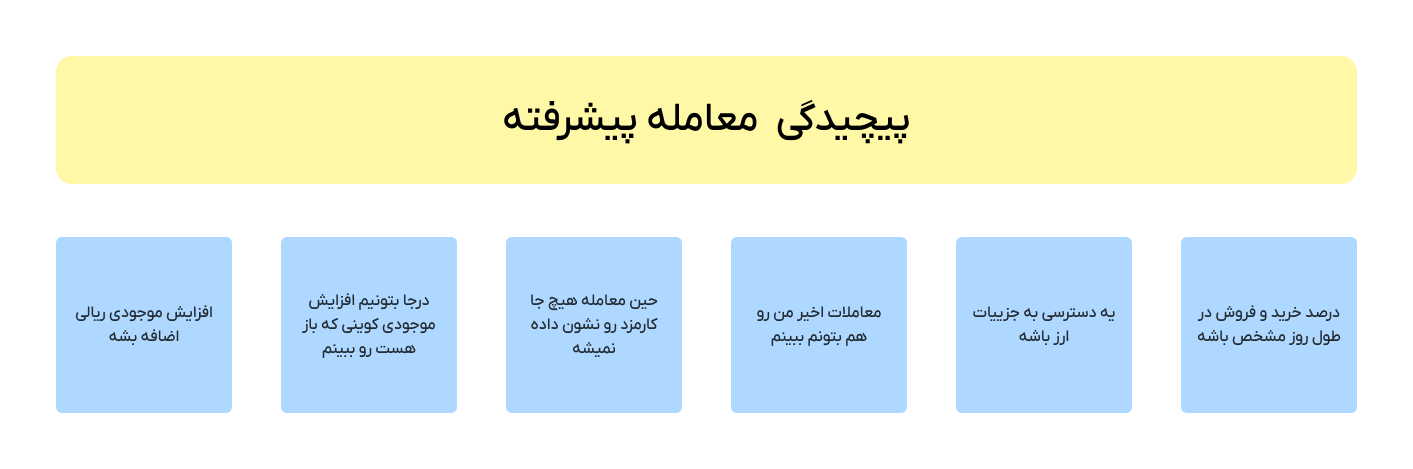
Old user experience The initial design of the platform was suitable for more novice users, but the needs of professional users such as detailed analysis of charts, quick execution of orders and access to more data were not well covered.
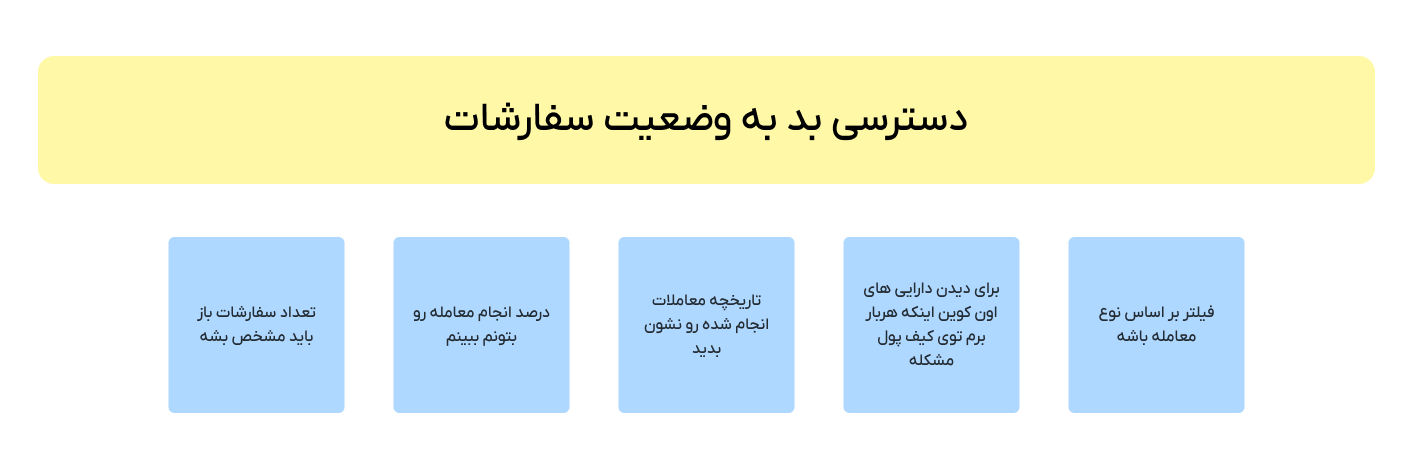
Users feedback Feedback from users indicated that the professional trading section needed significant improvement in terms of speed, ease of access to analysis tools, and reduction of unnecessary complications.
Competition with other platforms Compared to other advanced trading platforms, Ramzinex was a bit behind in providing professional features, which made some users tend to use other platforms.
Personas, target users and their needs
Persona
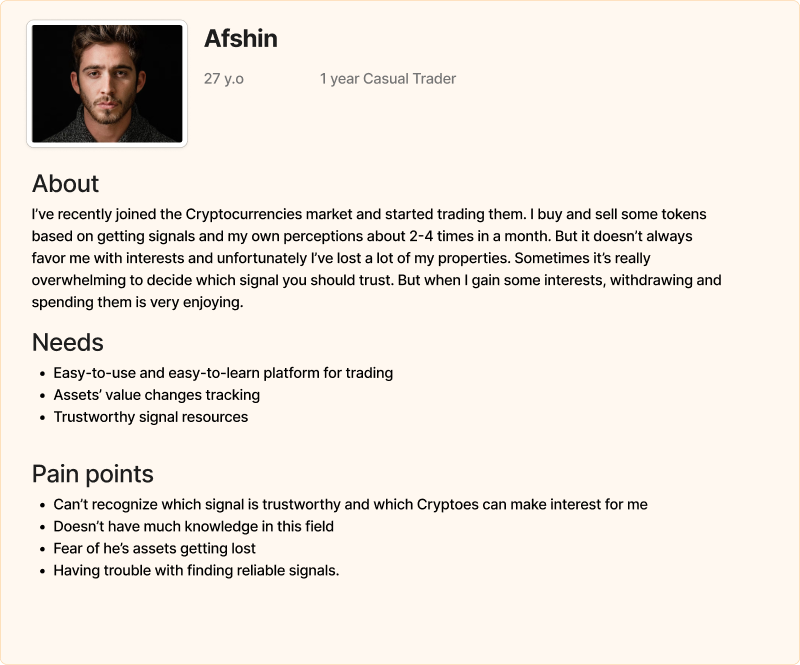
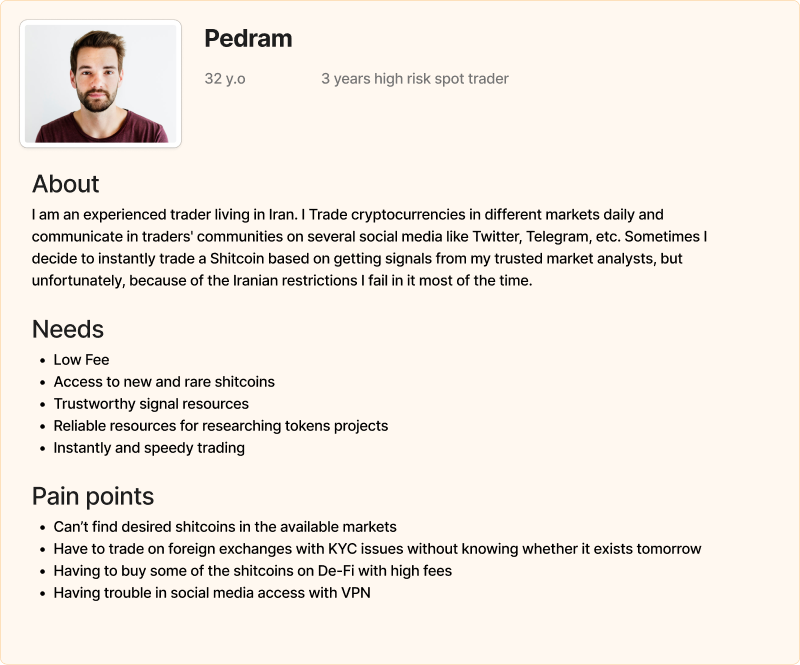
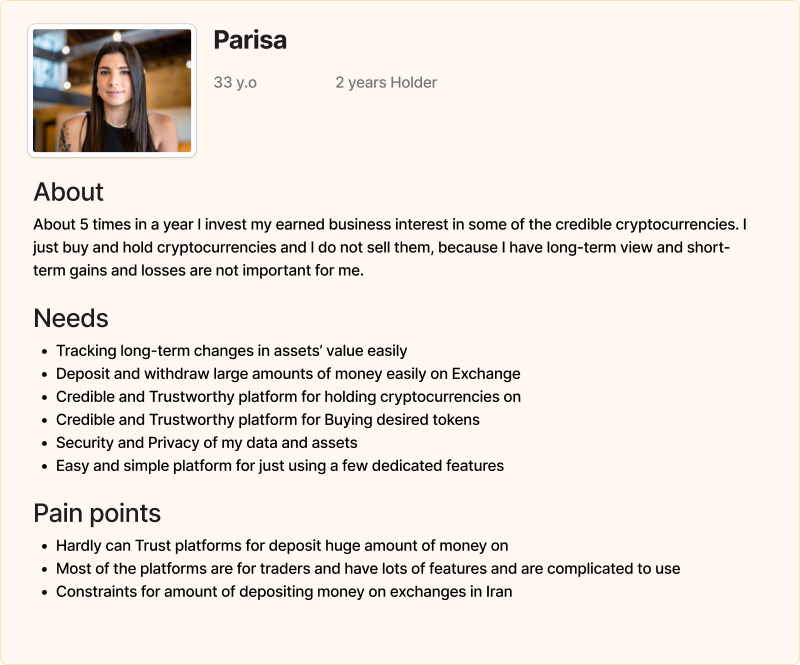
The following personas were obtained for the Ramzinex platform through analysis of marketing data, user interviews and questionnaires.
In general, in terms of trading abilities and needs, they can be divided into three categories: beginner, intermediate and professional.
Beginner and intermediate users
This group of users mainly needed simple and understandable tools to carry out their transactions.
Professional users
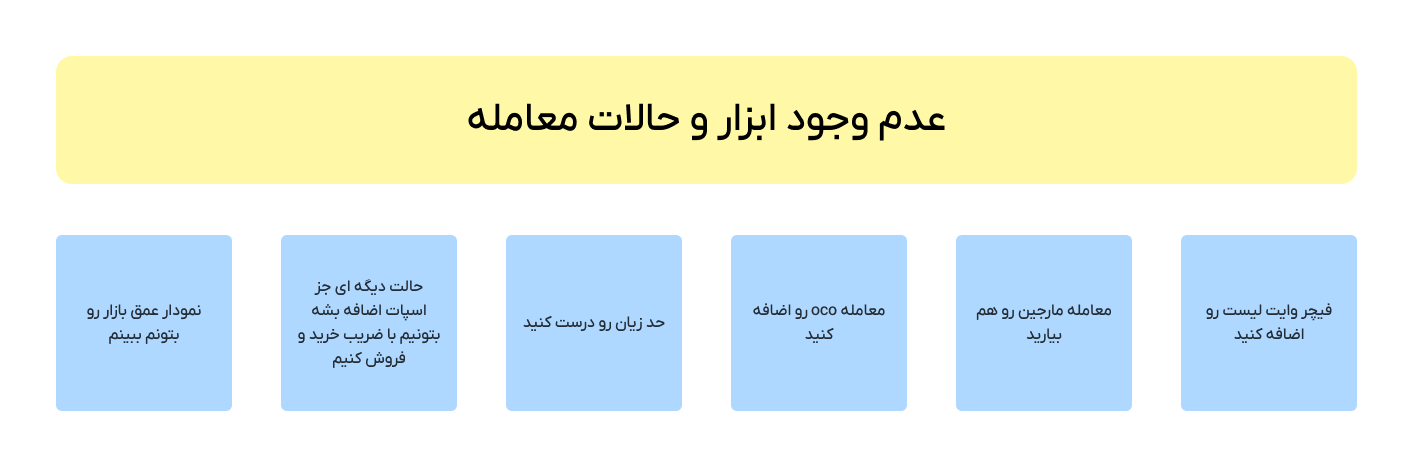
This group of users were looking for more specialized tools, such as execution of various orders (such as Limit and Stop-Loss), leveraged trading, margin and OCO.
Identifying issues and problems
Analysis of users' feedback
First, we received feedback from users about our trading needs and tools through questionnaires and periodic surveys, then after facing complaints and negative feedback, we also arranged direct interviews with users that were usually experienced traders with more detailed trading needs.
Findings
Many professional users complained about the lack of advanced tools, and more novice users complained about the complexity and lack of proper guidance.
Analyzing product usage data
Using the data obtained from users’ use of the platform, we analyzed their behavioral patterns (using Clarity and Google Analytics tools). The main focus was on user behavior and quantitative data on the use of the professional trading section.
Findings
Through the data, we realized that a lot of time is spent searching for information and using available tools, and generally the transaction is not completed. Platform churn rates were high among professional users, especially during peak market moments, indicating that the platform was not meeting their needs.
Competitor analysis
We reviewed similar and competing platforms (Kucoun, Binance, Wallex, Nobitex, Bitpin) that offered a better professional user experience. This analysis included evaluation of available tools, command execution speed, and user interfaces on other platforms.
Findings
International competitors were using more advanced tools for professional trading as well as customized dashboards. And Iranian competitors were equipped with more tools with a relatively simpler user interface. These features attracted the attention and attraction of professional users to competing platforms.
Usability Testing
Usability tests were conducted with a small group of professional users. These tests focused on the performance of the platform (on the available features of the platform) and the overall experience of users when trading.
Findings
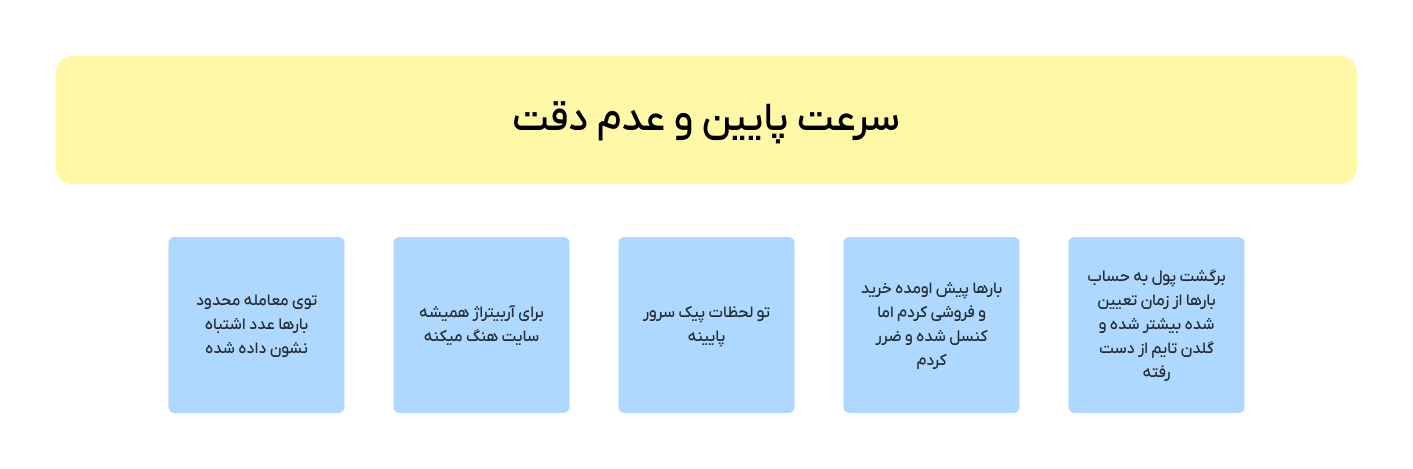
During these tests, professional users stated that the design of the old user interface of the platform is too complicated and the existing tools have many limitations. Also, the speed of execution of commands was not satisfactory for professional users.
User Journey Map
Estimated user journey map before redesign based on above feedback and tests:
Problem Statement
Main Problem
The professional trading section of the Ramzinex platform failed to meet the needs of professional users due to the lack of adequate tools for analyzing and executing professional trades. This issue caused many users to look for alternatives in foreign markets and find the user experience in Ramzinex insufficient.
Key challenges
Complexity and lack of advanced trading orders Professional users needed features such as complex orders (such as Limit Orders and Stop-Loss), but the existing system lacked most of these requirements, and the existing features did not have a simple and good user experience.
Inefficient user interface The old user interface design made professional users spend a lot of time finding the information they needed, which slowed down transactions.
Adding leverage, margin and OCO transactions As new features, the connection method and arrangement of these should have been specified in the professional transaction page.
Solutions
Improving user interface (UI) and user experience (UX)
The new design was done with a focus on minimalism and the use of modern design patterns. Complex elements were removed or simplified, and more white space was added to pages to increase readability and reduce visual fatigue. Navigation was redesigned so that users can easily move between different sections. Access to guidance and informative information was also improved.
Dashboard redesign Redesigned for faster access to key information such as spot prices and open orders.
Improving the order process Reducing the number of clicks and speeding up the execution of purchase and sale orders.
Simplify menus Better categorizing for easier access for professional users.
Adding advanced trading features
According to the needs of users, we added professional features such as stop loss, leverage, margin and OCO to the professional trading section.
Increasing the speed of execution of orders
Technical improvements to reduce lag during high market traffic times to increase the satisfaction of professional users.
Design
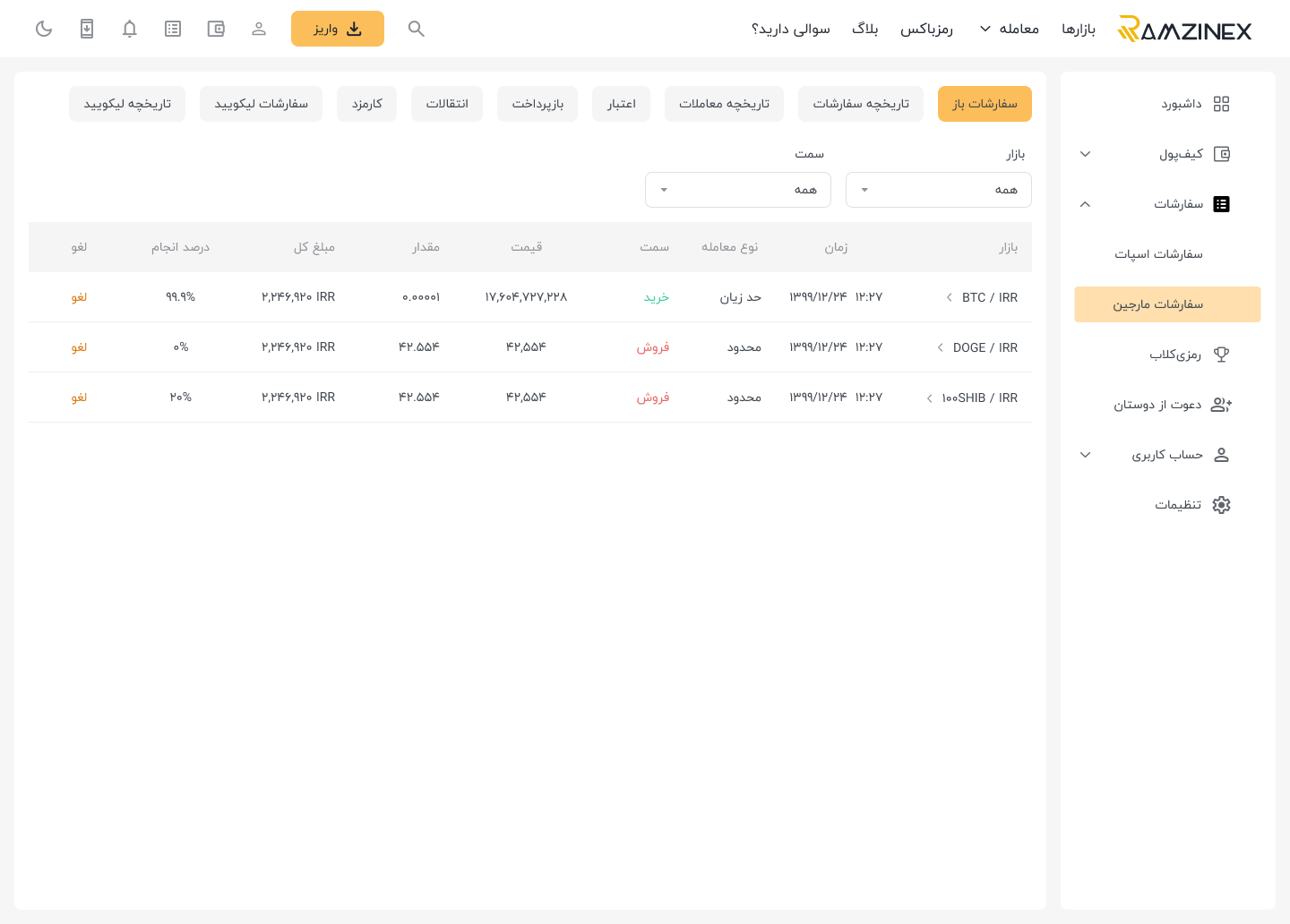
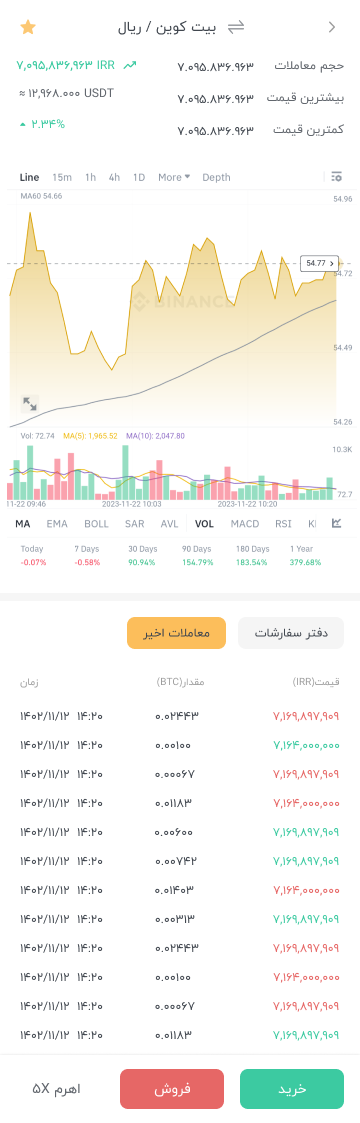
Before Redesign
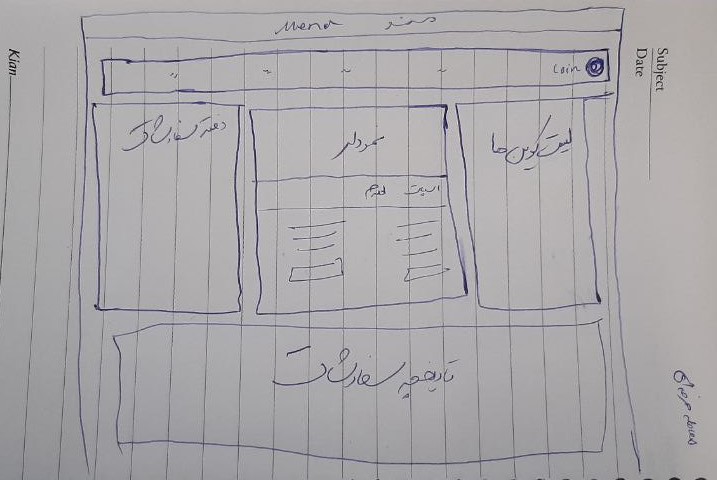
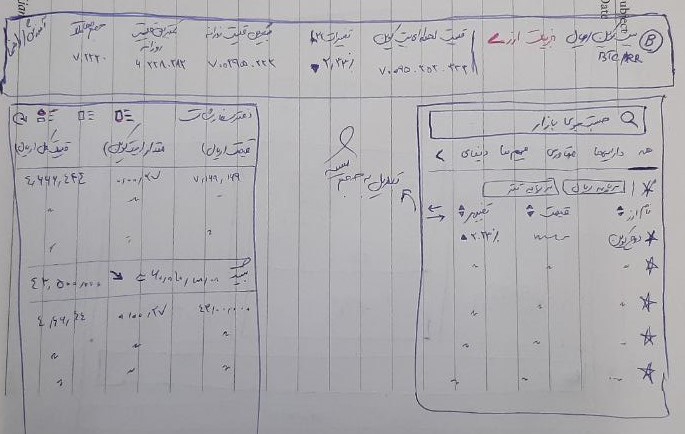
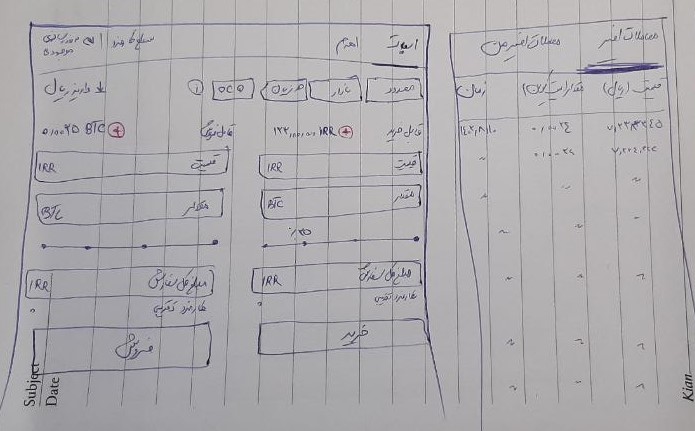
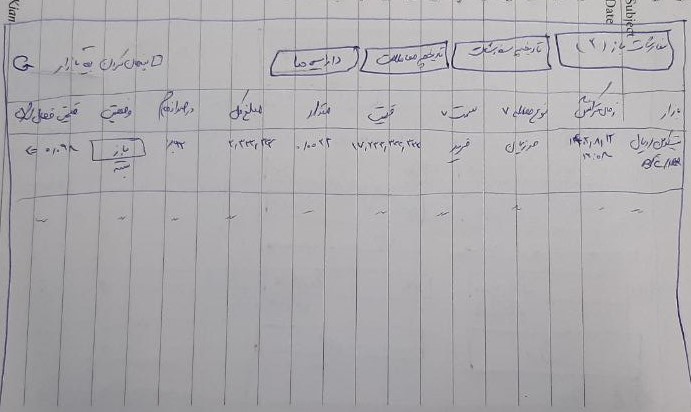
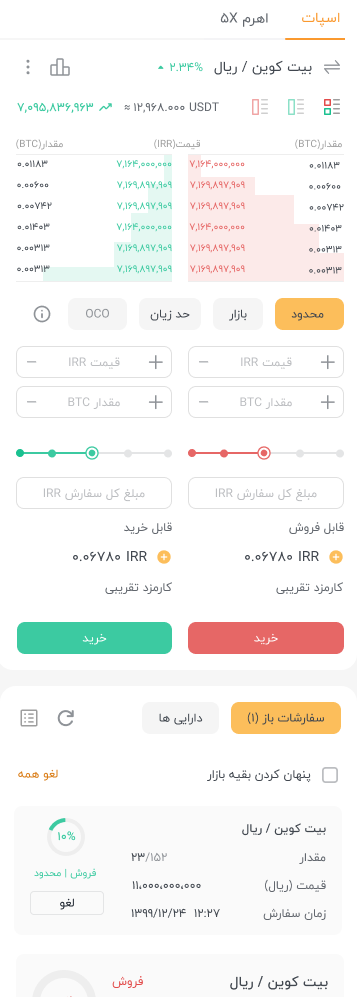
Redesign Sketches
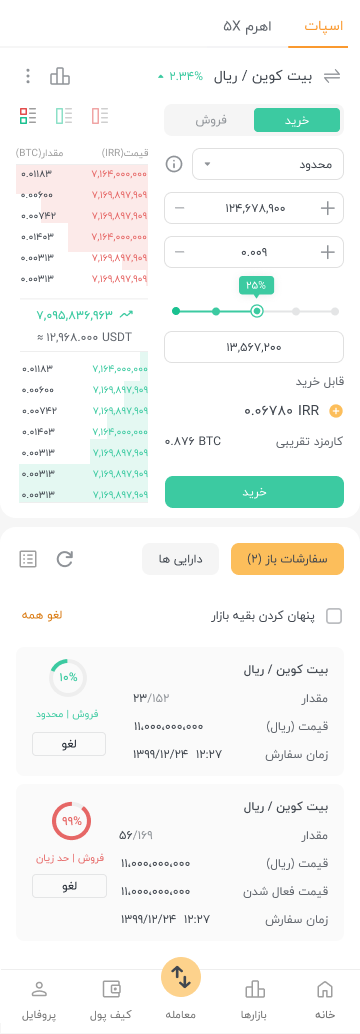
After Redesign
Metrics and Result
The initial results were evaluated after three months of redesign implementation and showed significant improvements in all key indicators.
User Satisfaction Level
After implementing the changes and updates, the satisfaction of professional users increased significantly. Surveys showed that the percentage of professional users’ satisfaction with the overall experience of the platform increased, and this increase in satisfaction was directly related to improvements in the user interface, increased speed, and new trading features.
Transaction volume
Due to the improvement in order execution speed and advanced analytical tools, the volume of transactions in the professional sector increased on a daily basis. The volume of transactions was significantly higher than the period before the redesign, and users traded more confidently and comfortably on the platform, which led to the growth of the volume of transactions.
Churn Rate
Platform churn rate among professional users decreased significantly. After experiencing the new user interface and advanced features, users were less likely to look for alternative platforms.
User Retention Rate
Some of the users who had not used the platform for some time returned and became active users.
Number of new professional users
By upgrading the platform and improving the user experience, the attraction of new professional users to the platform increased. Marketing and advertising campaigns after the redesign also played an important role in this increase. The number of new professional users in the three months after the redesign was higher than in the same period before.
User Journey Map
Estimated user journey map after redesign based on feedback and tests: